Social Gastronomy Movement Goes Nordic: A Learning Journey
The Social Gastronomy Movement Nordic Learning Journey, hosted by Botildenborg and held from 26 to 29 April, brought together 31 participants from 15 organisations across Denmark, Sweden, Norway, and Finland, along with international guests from Chile, Ghana, and Zambia, for several days of learning and exchange between Malmö and Copenhagen.
Day 1
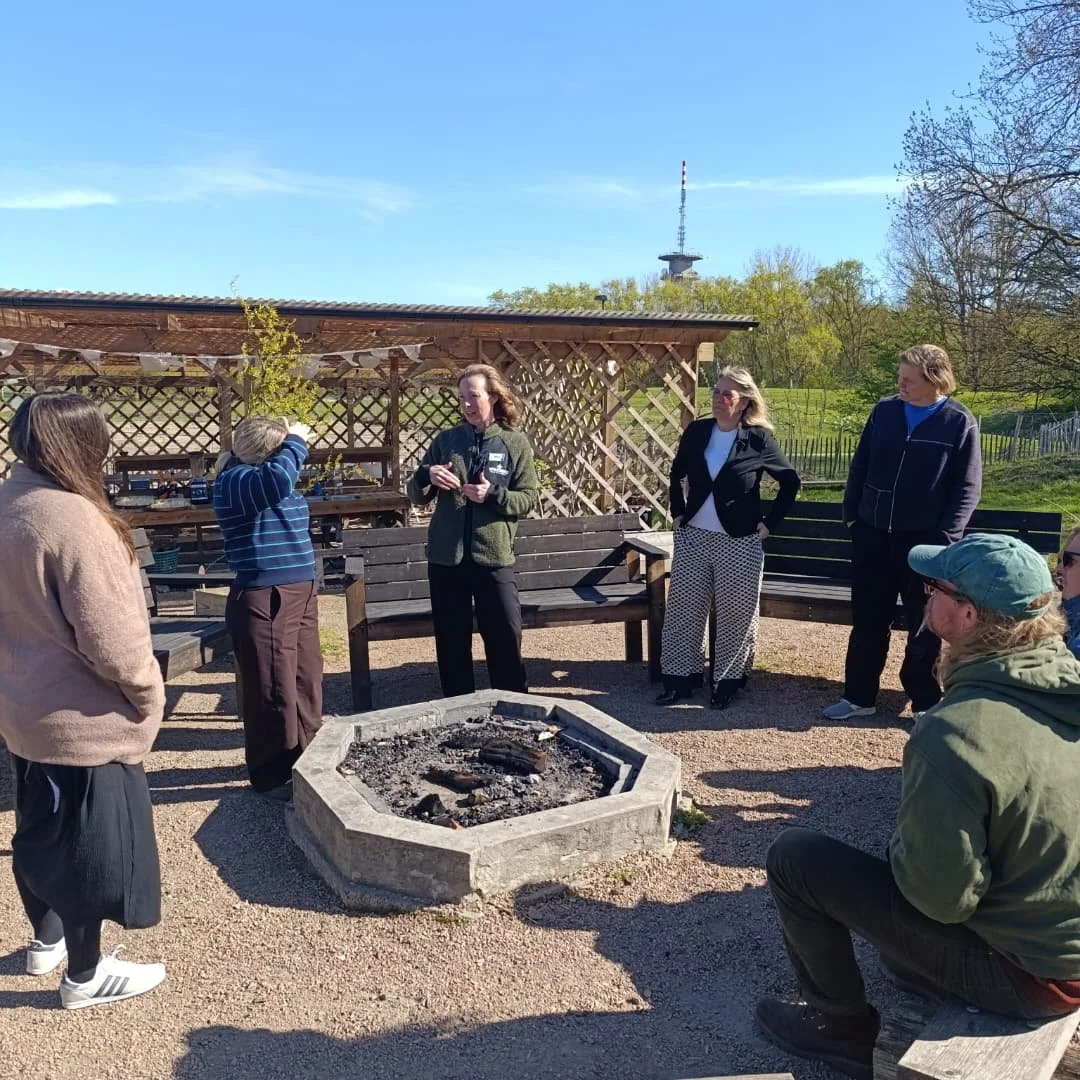
The first day was spent at Botildenborg in Malmö, getting to know the organisations and people taking part in the journey.
Participants shared their work, the communities they engage with, and some of the realities they are navigating in their own contexts. Conversations moved between urban farming, food education, hospitality, inclusion, entrepreneurship, and community building. With organisations and participants coming from different regions and backgrounds, the discussions offered a wide range of perspectives while also revealing many shared challenges and experiences.
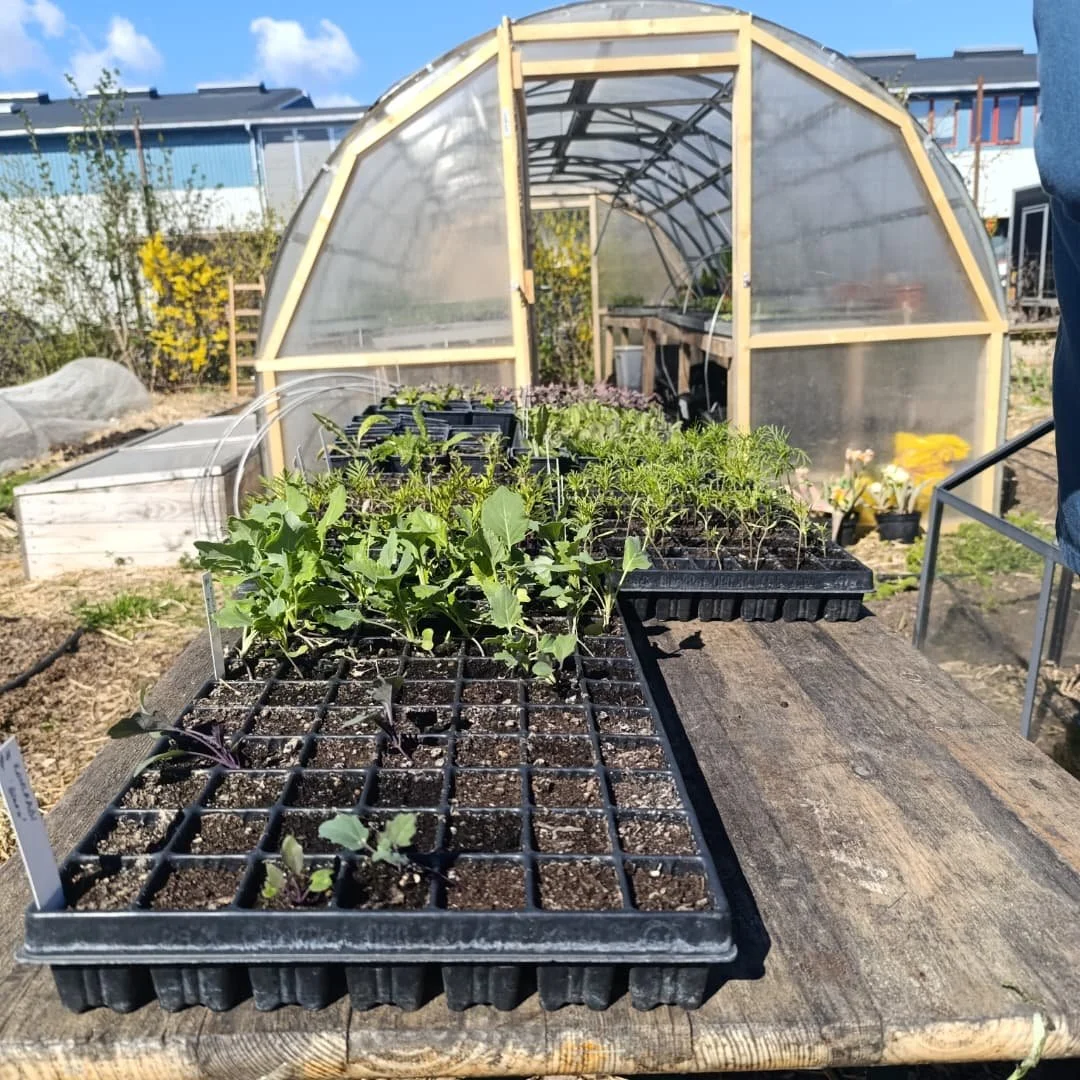
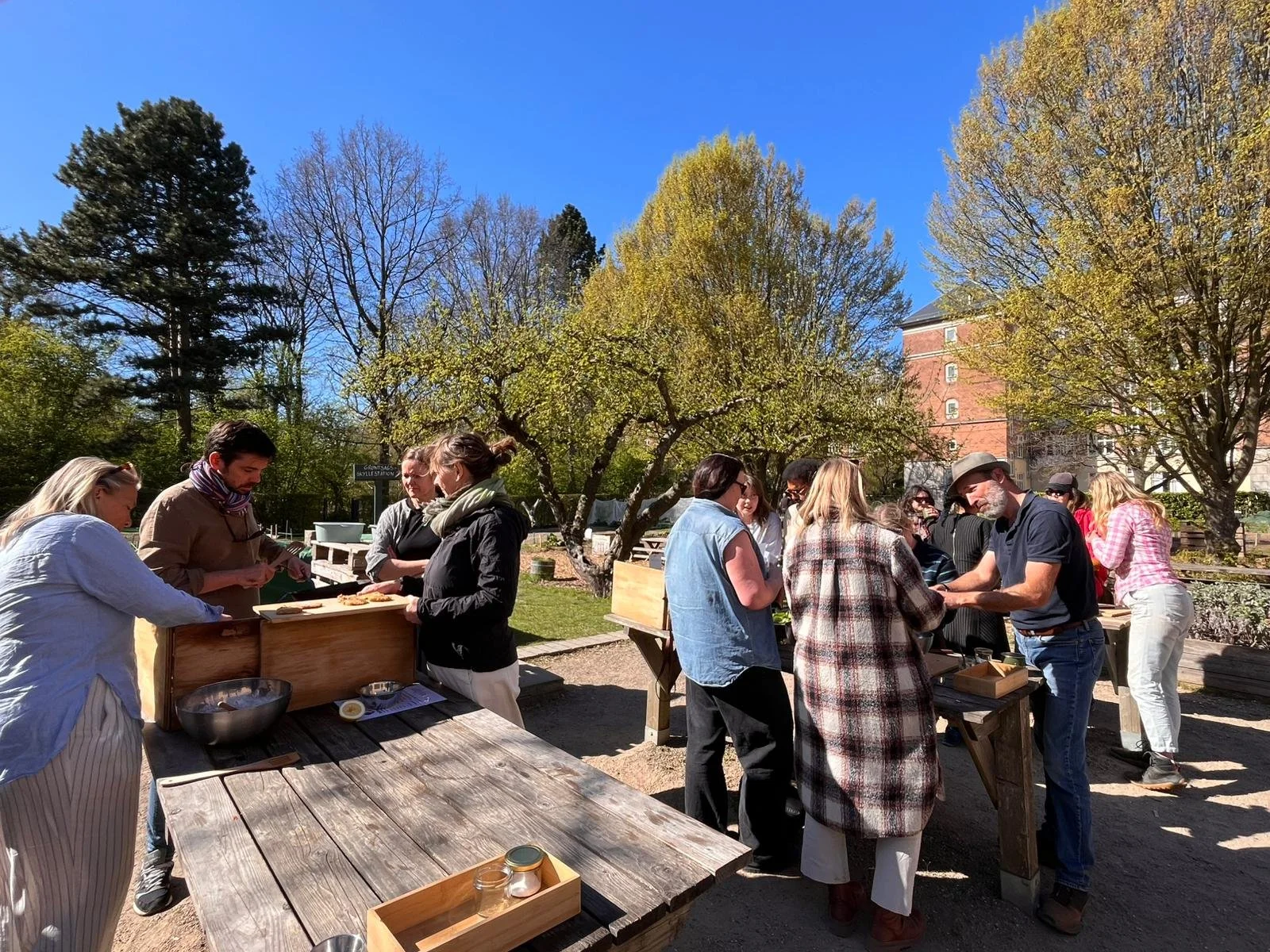
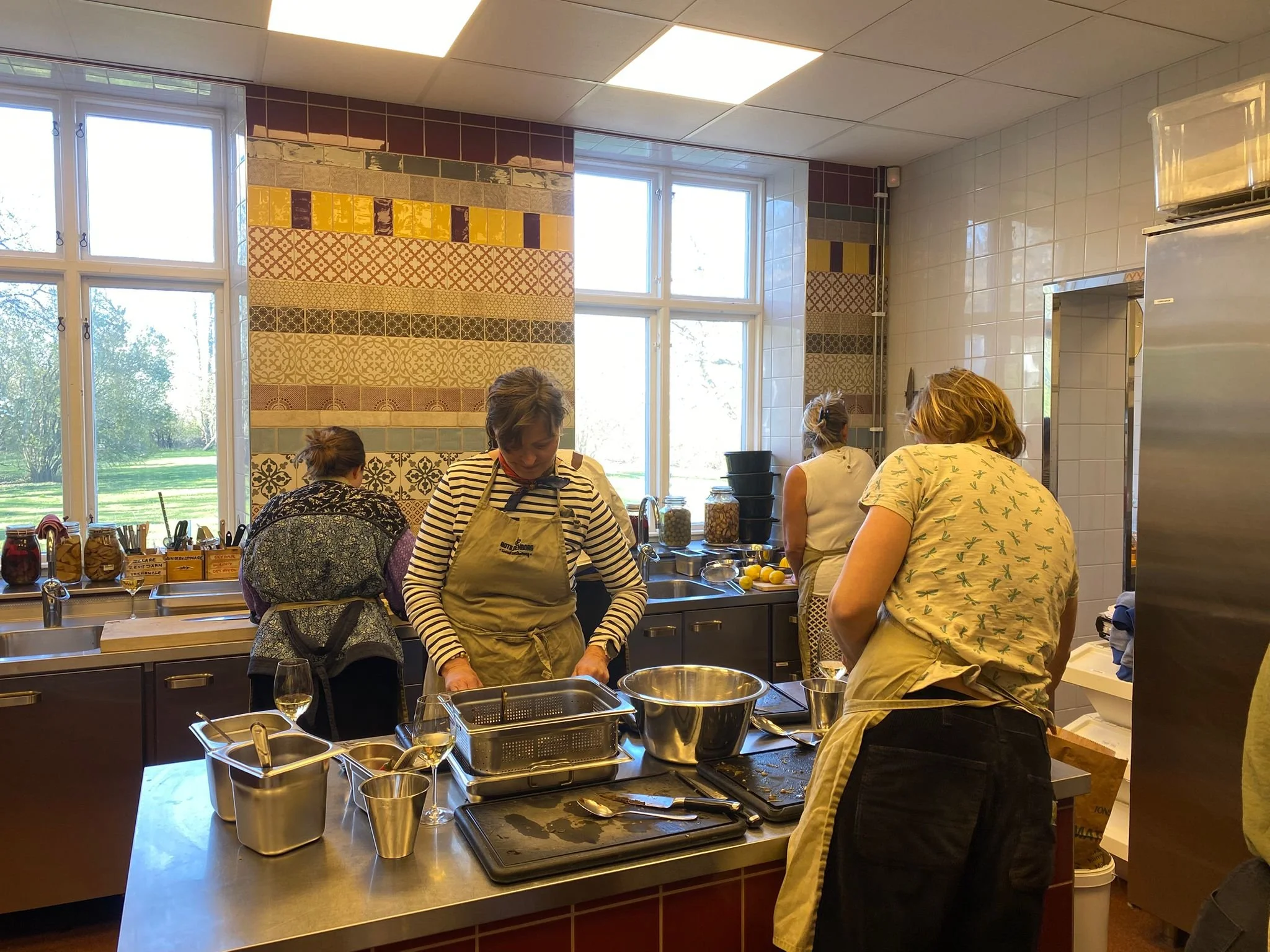
Later in the day, the group spent time in the gardens planting and harvesting together before cooking and sharing a meal. Spending time working in the gardens and preparing food together created space for conversations to continue more naturally outside of presentations and workshops.
Day 2
The second day was a study visit across Copenhagen, exploring different approaches to food and community engagement.
The morning began at Øens Have, an urban farm located in the middle of the city. Participants learned more about how the farm uses volunteer days, school programmes, and public activities to create opportunities for people to reconnect with food, farming, and nature within an urban environment.
From there, the group visited Meyers Madhus to learn more about their work around food education and culinary training programmes, and how they approach teaching cooking skills across different communities and age groups.
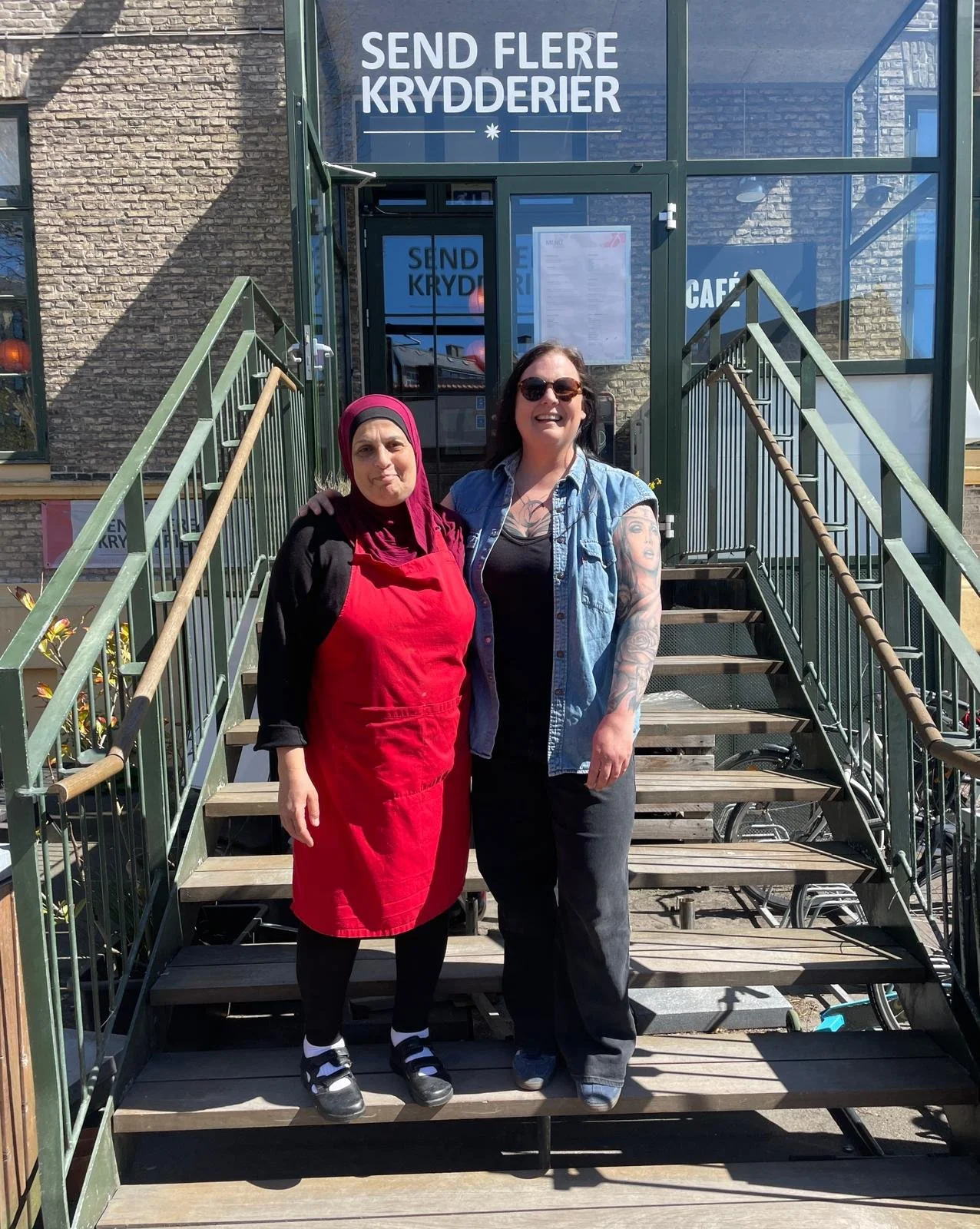
Lunch and the next study visit were hosted by Send Flere Krydderier together with Diversity Works. Discussions there focused on inclusion, employment, and entrepreneurship through food, alongside the role food can play in creating opportunities and supporting people into work.
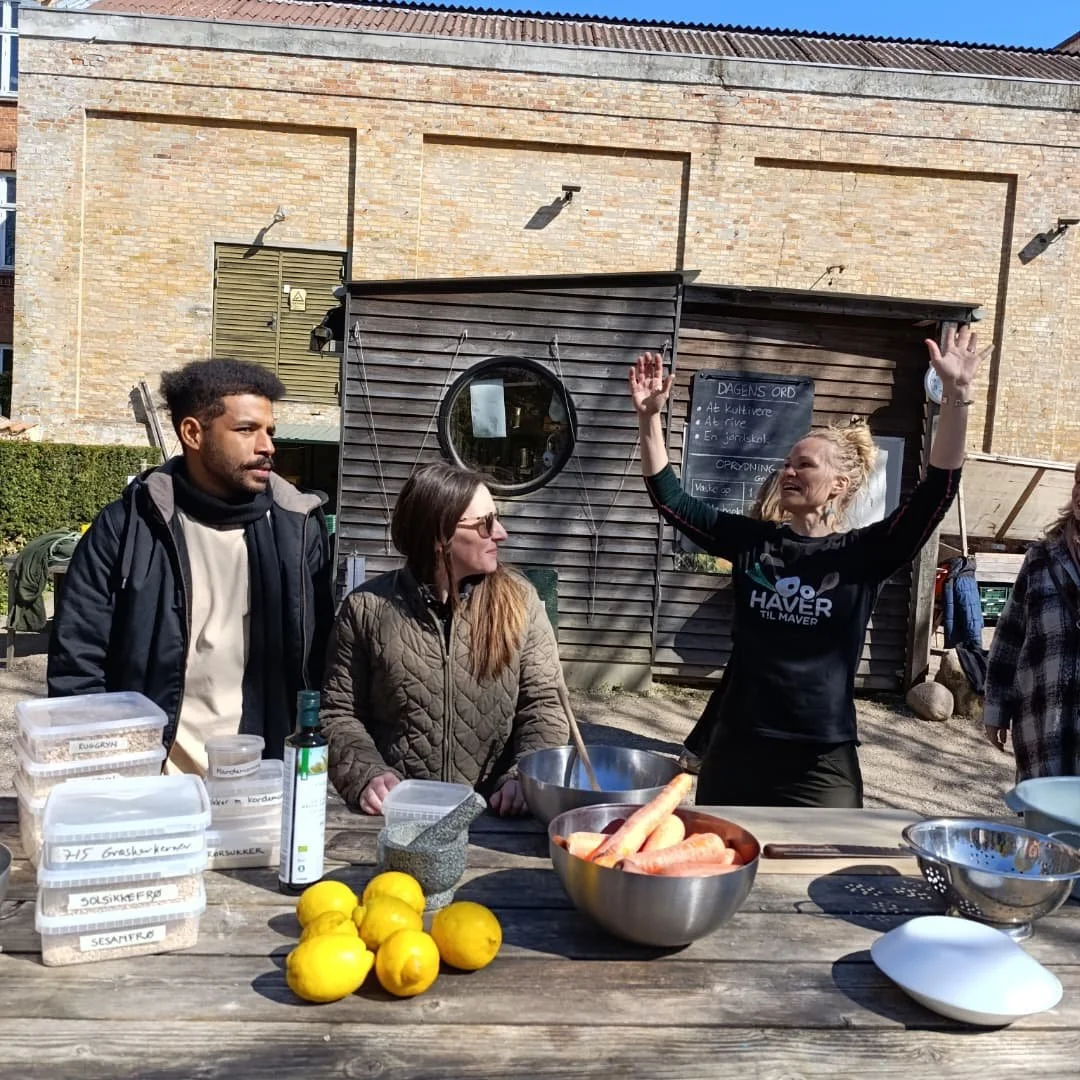
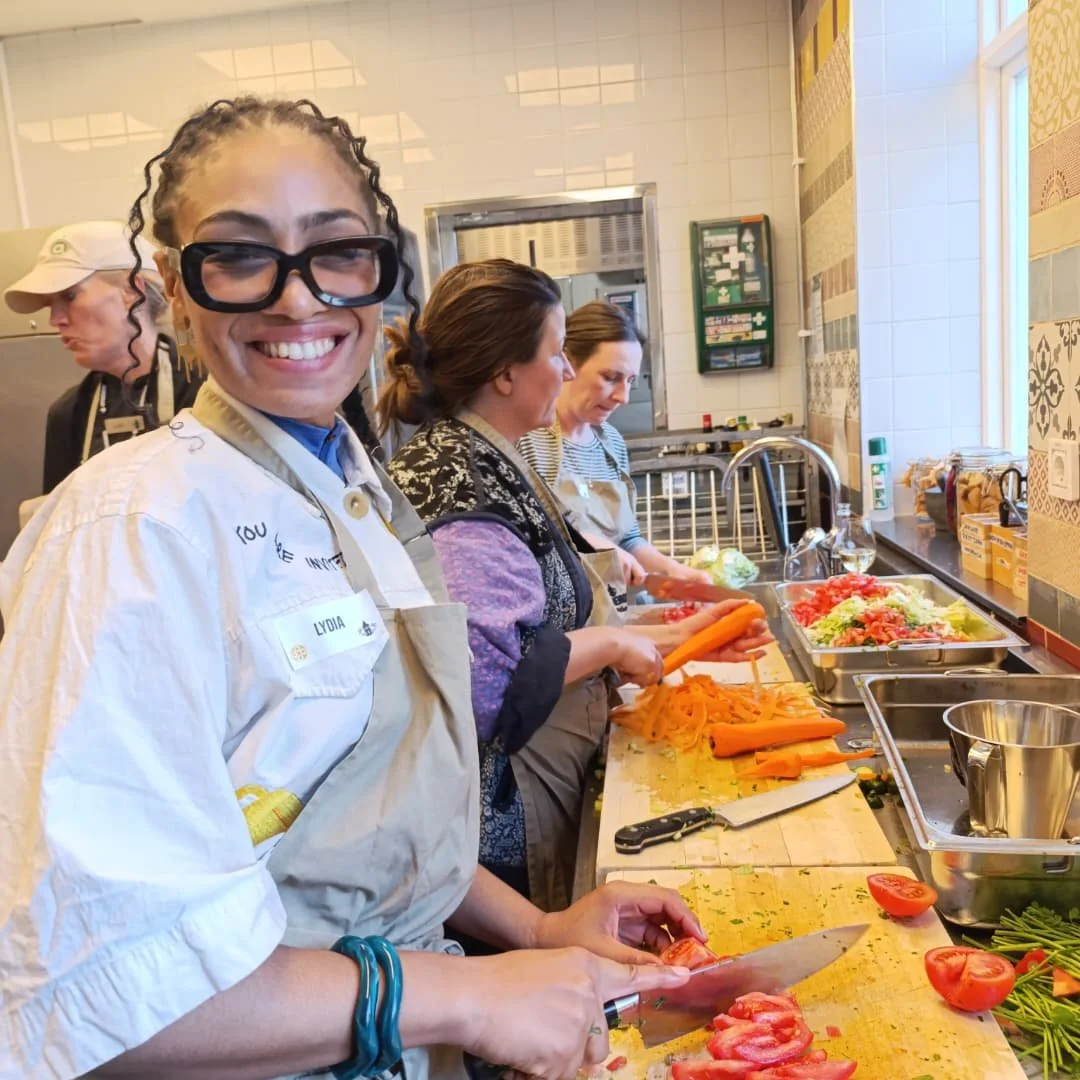
The afternoon continued at Haver til Maver, where participants explored how children are introduced to food, gardening, health, and the environment through hands-on learning. During the visit, the group also took part in a cooking session, trying out some of the recipes the children work with at Haver Til Maver.
The day ended at Absalon, where long communal tables and shared dinners have become part of how the space brings people together.
Day 3
The final day included a visit to an indoor farm in the basement of an apartment building in Rosengård, where participants learned more about how food production is being integrated into residential urban spaces. This was followed by a lecture from Anna Maria Pálsdottír on how food and farming can contribute to health, empowerment, and motivation.
Throughout the journey, there was space for both formal and informal exchange between participants.
Conversations continued during meals, bus rides, coffee breaks, and between study visits as people shared ideas, challenges, and experiences from their own organisations and communities.
During the final reflections, participants described the experience using words like inspiring, empowering, energising, and grounding. Others spoke about feeling connected to purpose, grateful for the exchange, and excited to bring ideas and knowledge back into their own work and communities.
As Rafael Rincón, co-founder and president of Fundación Gastronomía Social, shared during reflections, “seven years later, I get the confirmation that we are not alone.”